Fuel Efficiency of the Airbus A320 NEO Compared to Car Travel

Book Flight817-755-5652
Beyond FAA MinimumsPersonalized TrainingFlexible SchedulingFinancing Available
Beyond FAA MinimumsPersonalized Training
Flexible SchedulingFinancing Available

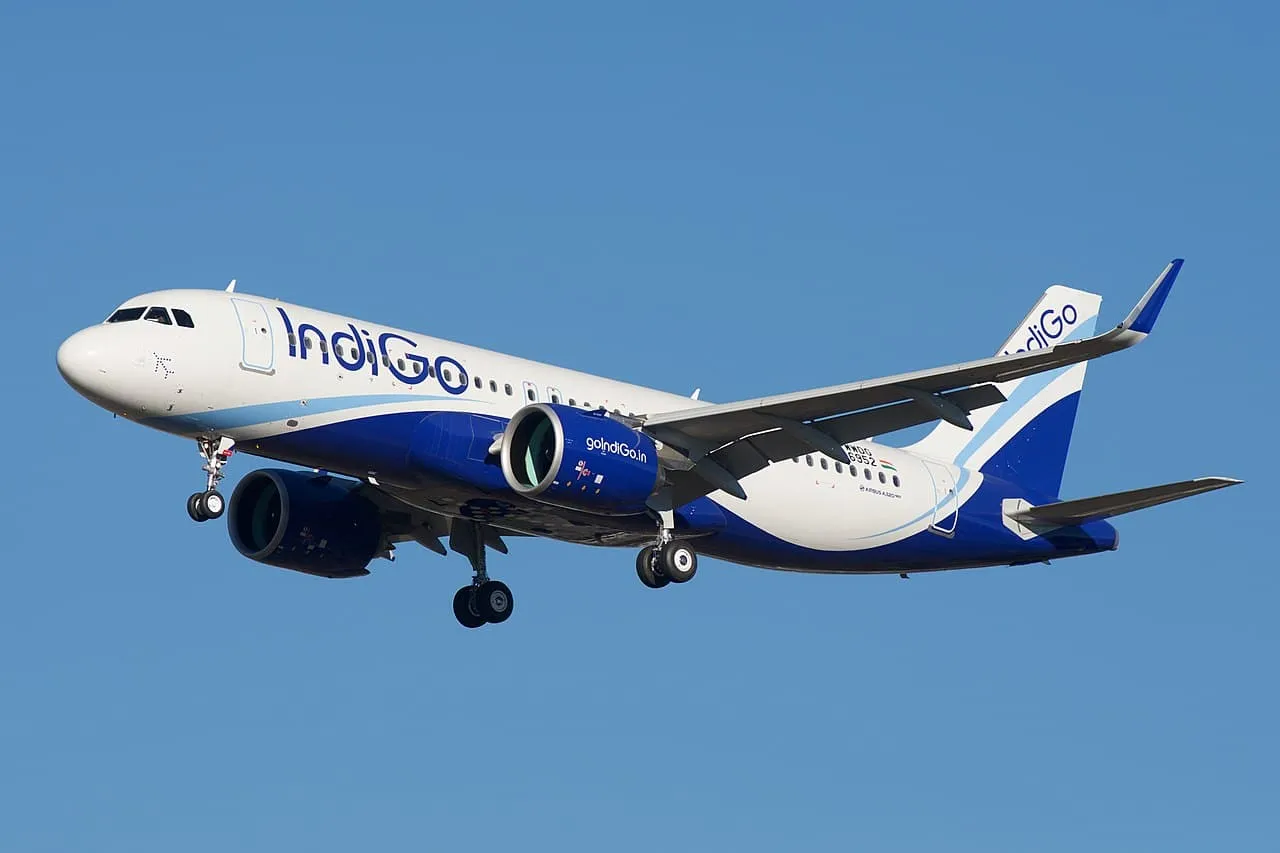
The Airbus A320 NEO is a popular aircraft widely recognized for its advanced technology and efficiency. Understanding its fuel consumption not only highlights the aircraft's performance but also offers a comparative perspective on its efficiency relative to other modes of transport, such as car travel.

A320 NEO Fuel Consumption

At a typical cruising altitude of 37,000 feet, an Airbus A320 NEO burns approximately 2,300 pounds of fuel per engine per hour, totaling around 4,600 pounds or about 676 gallons per hour. In monetary terms, considering the average cost of aviation fuel, this equates to roughly $1,900 per hour of flight.

Comparative Analysis with Car Travel

To illustrate the fuel efficiency of the A320 NEO, consider a hypothetical scenario where you are transporting 180 passengers from Dallas/Fort Worth (DFW) to San Juan—a distance of approximately 2,220 miles. If these passengers were to travel by car instead, assuming an average car fuel efficiency of 25 miles per gallon and two passengers per car, the journey would consume about 8,000 gallons of fuel in total.

In contrast, the A320 NEO flying the same route would burn approximately 3,300 gallons of fuel. This means that the aircraft is about 2.4 times more fuel-efficient per passenger than car travel for this particular route.

Broader Implications

While it's evident that jets like the A320 NEO consume a significant amount of fuel, it's crucial to consider these figures in context. On a per-passenger basis, air travel can be remarkably more fuel-efficient than car travel, especially over longer distances where the benefits of high-altitude, efficient cruise performance come into play.

This efficiency becomes even more pronounced when the aircraft operates near its passenger capacity, effectively spreading the energy (fuel) cost over a larger number of passengers. Such comparisons are vital for understanding the environmental impact of various transportation modes and can influence decisions related to travel and transportation policy, especially in an era where sustainability is increasingly prioritized.

Overall, while the upfront fuel consumption figures for jets might seem high, the per-passenger fuel efficiency tells a more comprehensive story, affirming the role of modern aircraft in efficient long-distance travel.
Related Reading

AircraftHandling Engine Fires in Flight: Essential Knowledge for Pilots

An engine fire, whether during flight or on the ground, can be one of the most serious emergencies a pilot may encounter. However, with proper training and adherence to established procedures, pilots can effectively manage this rare but critical situation.

October 4, 2024
Aircraft8 Surprising Facts Hidden in Your Cessna POH

Every pilot knows they should read the operating handbook for their aircraft, but let’s face it—many don’t dive in as deeply as they should. In this article, we uncover 8 surprising facts tucked away in your Cessna POH. While this is tailored to the Cessna 150M, many of these insights apply to other Cessna models as well. Let’s see how well you know your airplane! Disclaimer: Always consult your aircraft's POH for specific procedures, limitations, and guidance.

December 10, 2024
AircraftWhy Most Small Planes Lack Air Conditioning

Air conditioning in small aircraft is far less common than in larger commercial jets, and there are several practical reasons for this, primarily revolving around cost, weight, and complexity.

June 6, 2025

Discovery Flight

Ready to Fly?

Take a 30-minute discovery flight, get hands-on time at the controls, meet an instructor, and see whether Pilot Rise is the right fit for your training. The flight is $150, or free with approved financing through one of our partners.

Contact Us
Contact Us security verification

By submitting, you agree to receive reservation and update texts from Pilot Rise. Msg & data rates may apply. Reply STOP to opt out. See our Privacy Policy. No spam. We will never sell your information.

Book Flight

SCHEDULE INTRO FLIGHT - $150

Hands-on 30-minute intro flight. Discover what flying is like.

Book online — No card required.

Book flight security verification

By submitting, you agree to receive reservation and update texts from Pilot Rise. Msg & data rates may apply. Reply STOP to opt out. See our Privacy Policy. We will not send marketing texts.

Select Aircraft

Free Flight Training Guide

Step 1 of 333%

What's your first name?