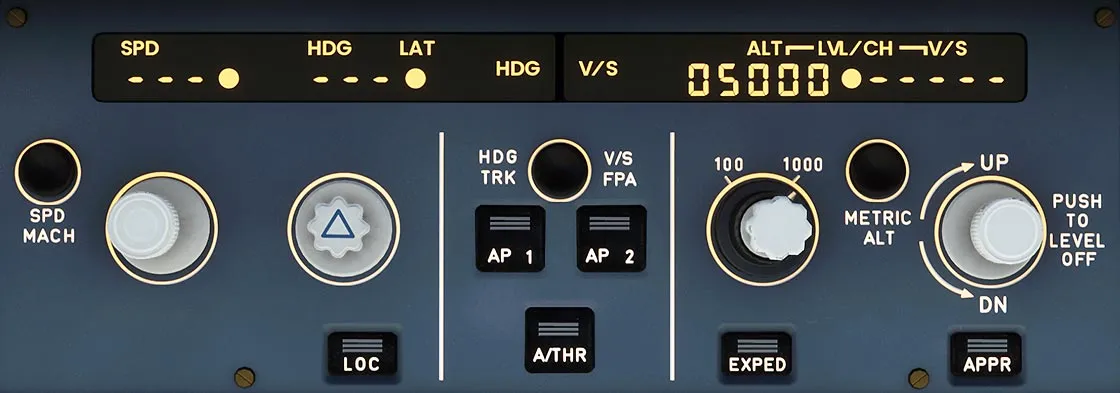
Despite the prevalence of autopilot systems in modern aviation, airline pilots play an indispensable role in ensuring the safety, efficiency, and smooth operation of flights. Autopilot is a tool that assists pilots but does not replace the comprehensive responsibilities they handle throughout a flight. Here’s a closer look at what airline pilots do during a flight, even when autopilot is engaged.
Pre-Flight Preparation
Before even stepping into the cockpit, pilots have a checklist of preparatory tasks including reviewing the flight plan, weather conditions, and any maintenance issues that might affect the flight. This paperwork and planning stage is crucial for identifying any potential challenges that might arise during the flight.
Complex Taxi Operations
At busy airports, taxiing the aircraft from the gate to the runway can be as complex as navigating a small city. Pilots must follow specific taxi routes and maintain constant communication with ground control to avoid conflicts with other aircraft and ground vehicles.
Managing Maintenance Issues
If there are any mechanical concerns or anomalies reported by the crew or ground staff, pilots are responsible for making decisions about handling these issues, which might include coordinating with maintenance teams to resolve them before departure.
Programming the Flight Management System (FMS)
One of the critical tasks for pilots is setting up and programming the FMS, which involves inputting the entire flight plan including waypoints, altitudes, and speeds. The autopilot relies on this data to navigate, and as the saying goes, "garbage in, garbage out." Incorrect inputs can lead to navigational errors, so precision is paramount.
Monitoring Systems
Even when autopilot is engaged, pilots must continuously monitor all aircraft systems to ensure everything is functioning as expected. This includes keeping an eye on the aircraft’s performance, fuel consumption, and system diagnostics. Autopilots can fail or make errors, and it is up to the pilots to catch these issues promptly and correct them.
Handling Emergencies
Many emergency situations require disengaging the autopilot. Pilots must be ready to take manual control of the aircraft at a moment's notice, whether due to system failures, unexpected weather, or other urgent conditions that necessitate a human touch.
Adjusting Flight Parameters
Throughout the flight, conditions may change, requiring adjustments to the flight plan or autopilot settings. This could include changing altitudes to avoid turbulence, modifying the route to circumvent bad weather, or managing air traffic control instructions for timing and spacing for landing.
Communication and Decision-Making
Pilots handle all radio communications with air traffic control, coordinating everything from takeoff clearance to landing instructions and everything in between. They also make critical decisions, such as when to divert to an alternate airport or how to handle delays and holding patterns.
Takeoff and Landing
While some modern aircraft are capable of autoland procedures, the majority of takeoffs and landings are manually controlled by the pilots. These phases of the flight are too critical and sensitive to be left to automated systems in most cases.
Conclusion
Autopilot systems are an advanced aid in modern aviation, designed to reduce the workload of pilots and increase the efficiency of operations. However, the role of the pilot encompasses far more than just steering the aircraft. From pre-flight planning to complex decision-making and emergency management, pilots ensure that every flight meets the highest standards of safety and efficiency, proving that even in an age of automation, the human element remains irreplaceable.