An engine fire, whether during flight or on the ground, can be one of the most serious emergencies a pilot may encounter. However, with proper training and adherence to established procedures, pilots can effectively manage this rare but critical situation.
Understanding the Fire Detection and Extinguishing Systems
Modern jets are equipped with advanced fire detection systems, known as fire detection loops. These systems monitor the engine's condition through an electrical current that flows through the loops. If a fire breaks the loop by damaging its integrity, an alert is triggered in the cockpit, allowing the pilot to act swiftly. Once a fire is detected, pilots have access to onboard extinguishers—typically, there are two available, enabling them to tackle the fire immediately.
Different Procedures for Different Aircraft
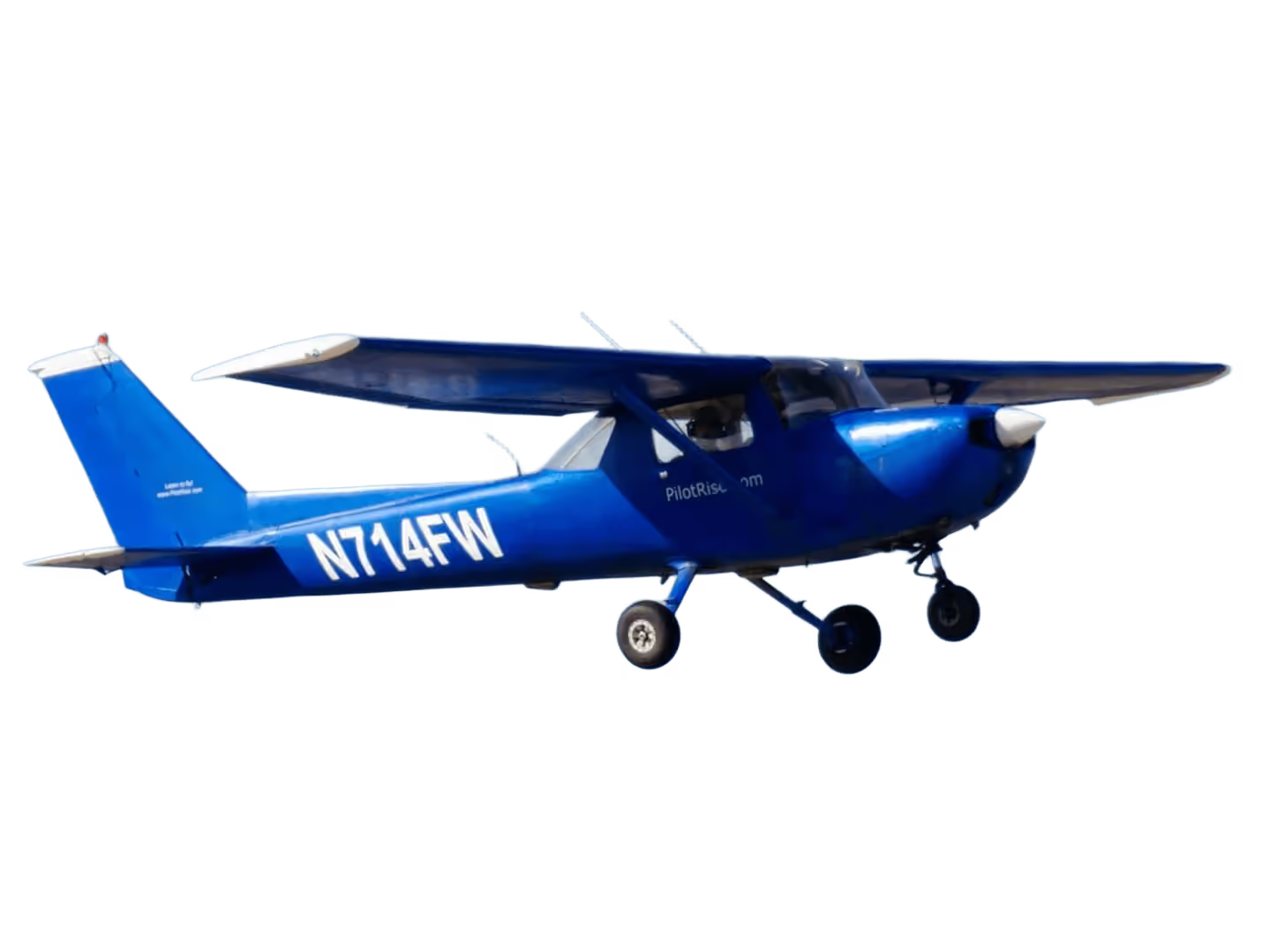
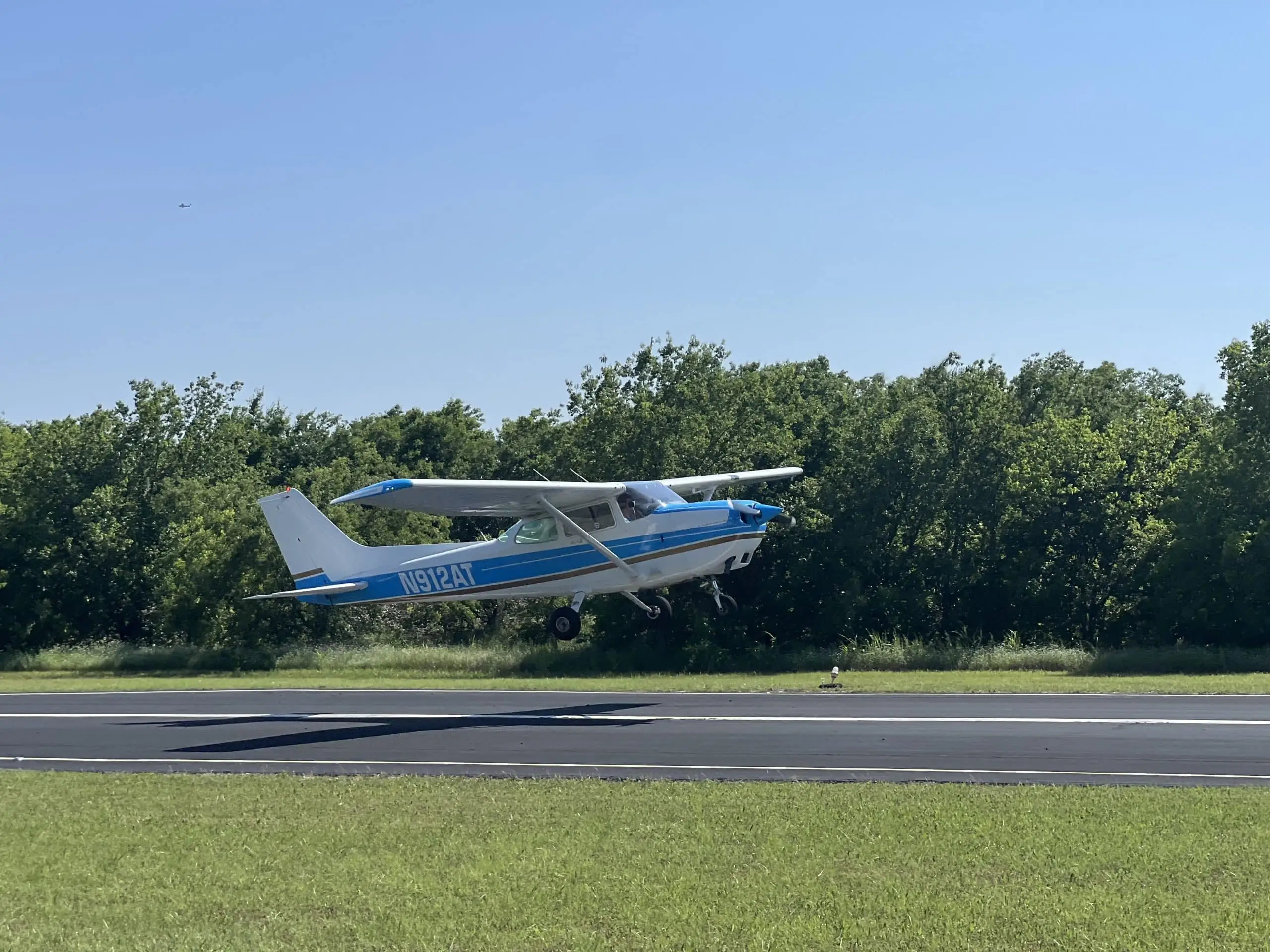
In contrast to jets, smaller aircraft like the Cessna 172 do not typically have such sophisticated fire detection systems. Pilots may become aware of an engine fire through more direct signs such as visible smoke or flames emanating from the engine area. The procedures for handling an engine fire in a Cessna 172 vary significantly depending on whether the aircraft is airborne or on the ground.
On the Ground
If an engine fire occurs while still on the ground, the checklist for a Cessna 172 usually advises attempting to start the engine. This might seem counterintuitive, but a common cause of engine fires in such aircraft is related to issues in the carburetor, particularly during the engine start process. Starting the engine may help extinguish the fire by drawing the flames and excess fuel into the engine, where it can be burned off safely. It’s crucial during start-up not to over-prime or pump the throttle excessively, as this can increase the risk of fire.
In the Air
When an engine fire occurs in the air, the situation becomes more urgent. The immediate steps involve shutting down the engine by cutting off the fuel supply and turning off the electrical systems to remove potential fuel sources for the fire. This procedure, while necessary, means the aircraft will lose engine power and electrical systems, including communication capabilities.
Following the shutdown, pilots are advised to increase their speed to around 100 knots if possible, by pitching the aircraft down. This helps to increase airflow through the engine compartment, potentially helping to extinguish the fire. Another critical step involves closing any vents that lead to the cabin to prevent smoke and flames from entering, although this also means cutting off the cabin’s oxygen supply.
Preparing for Emergency Descent and Landing
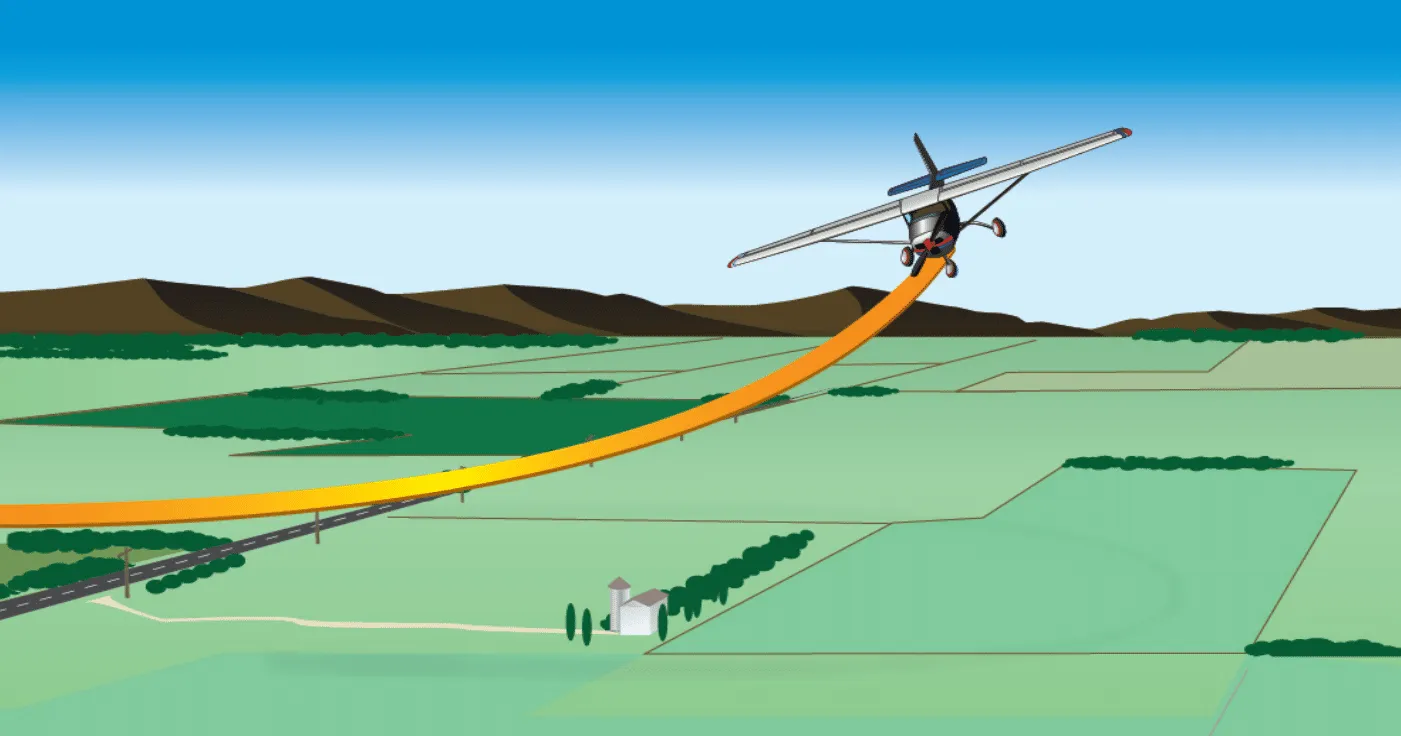
Once the immediate actions are taken to control the fire, pilots must prepare for an emergency descent and landing. It's vital for pilots to continually scan for potential landing sites throughout any flight, as having a plan can be lifesaving in the event of an emergency such as an engine fire.
The Importance of Training and Preparedness
Engine fires are indeed rare, but the importance of being prepared cannot be overstated. Rigorous training and familiarity with the aircraft’s emergency procedures are essential. Pilots must always follow their checklists and remain calm to manage the situation effectively.
In the world of aviation, preparedness is key. Understanding how to handle an engine fire professionally and efficiently ensures that pilots are ready to respond to emergencies, prioritizing the safety of everyone on board.