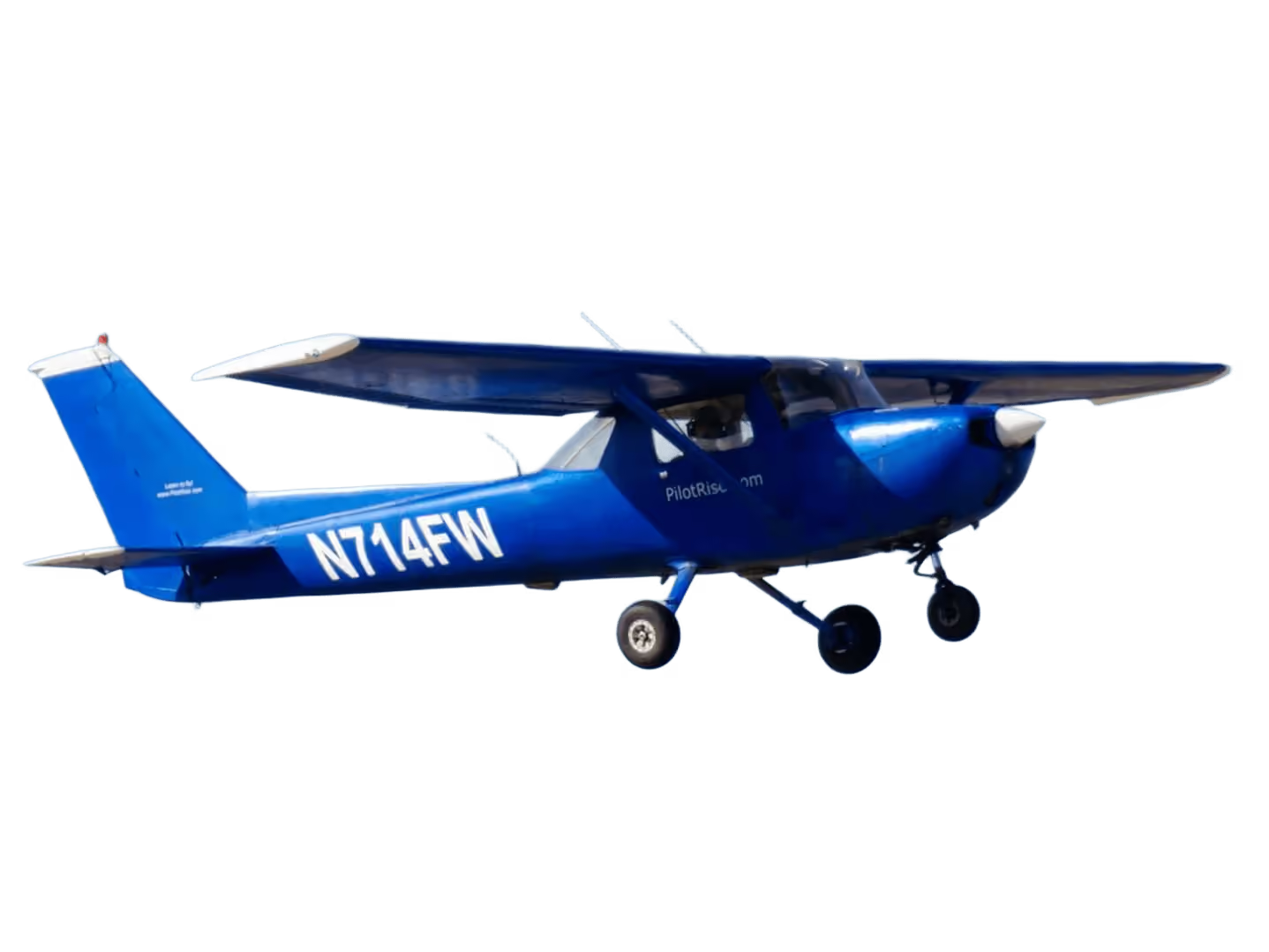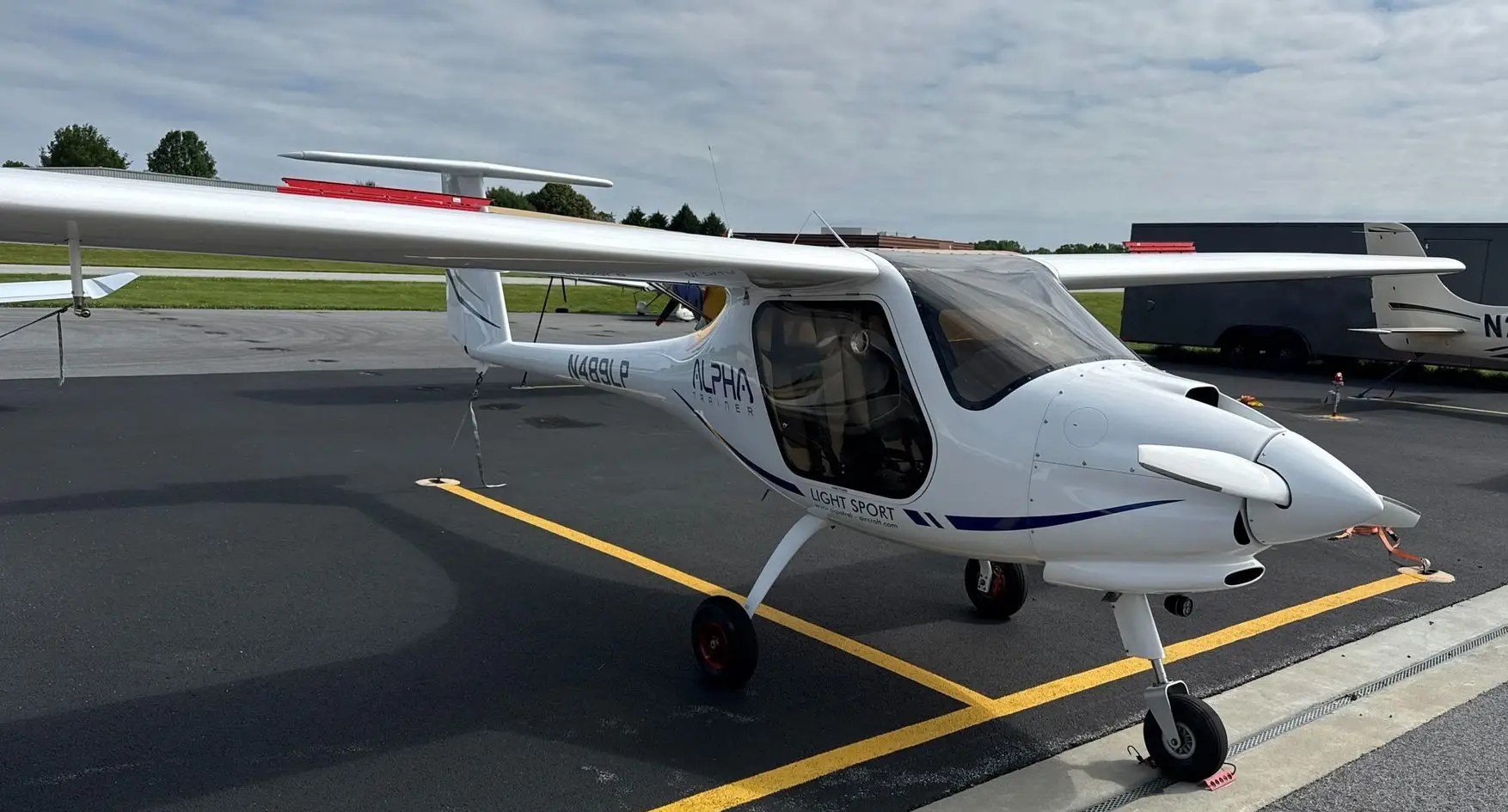
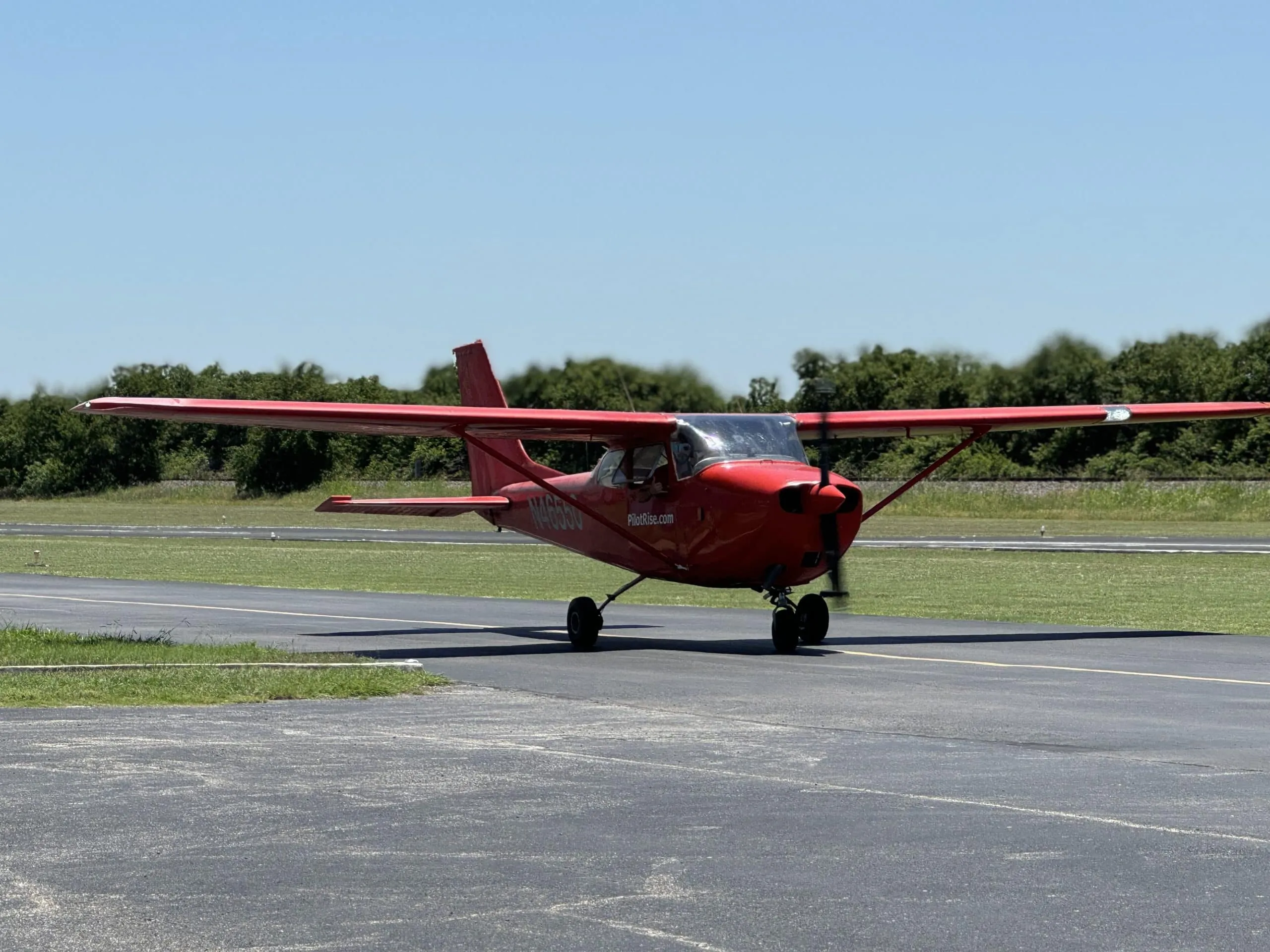
Air conditioning in small aircraft is far less common than in larger commercial jets, and there are several practical reasons for this, primarily revolving around cost, weight, and complexity.
Cost and Liability
One of the primary reasons small planes often lack air conditioning is the cost associated with installing and maintaining such systems. Aircraft parts and systems are notoriously expensive; they can cost up to 20 times more than comparable parts used in other industries. This markup is largely due to the extensive testing, certification, and liability coverage required for aviation components. Manufacturers must ensure that every part meets stringent safety standards, which drives up costs.
Weight Considerations
Weight is a critical factor in any aircraft design, especially smaller planes where payload capacity is limited. Every additional pound of weight used for non-essential systems is a pound that cannot be allocated to passengers, luggage, or fuel. An air conditioning system can add significant weight, often around 70 pounds or more. In many small planes, the trade-off between the benefits of air conditioning and the need for higher payload capacity or longer range simply does not justify the extra weight.
Complexity and Space Requirements
Unlike heating systems, which can be relatively simple (such as using heat exchangers to capture warmth from the engine’s exhaust), cooling systems are more complex. Air conditioning requires more space within the aircraft for its components, which includes compressors, condensers, and evaporators. Additionally, it demands a significant amount of electricity to operate efficiently, which can be a strain on the electrical systems of smaller aircraft.
Technical Challenges
Cooling systems in aircraft also pose specific technical challenges. They must be robust enough to operate under a wide range of environmental conditions, from ground operations in hot weather to variable conditions at altitude. Designing and maintaining such systems to be reliable and effective adds another layer of complexity and cost.
Conclusion
For these reasons, air conditioning is not commonly found in small planes. The decision to exclude such a feature is based on a balance of cost, weight, space, and complexity. While it would undoubtedly increase comfort, the impact on the aircraft’s performance, range, and payload capacity, combined with the high cost of aviation-grade components, often makes air conditioning impractical in smaller aviation settings.