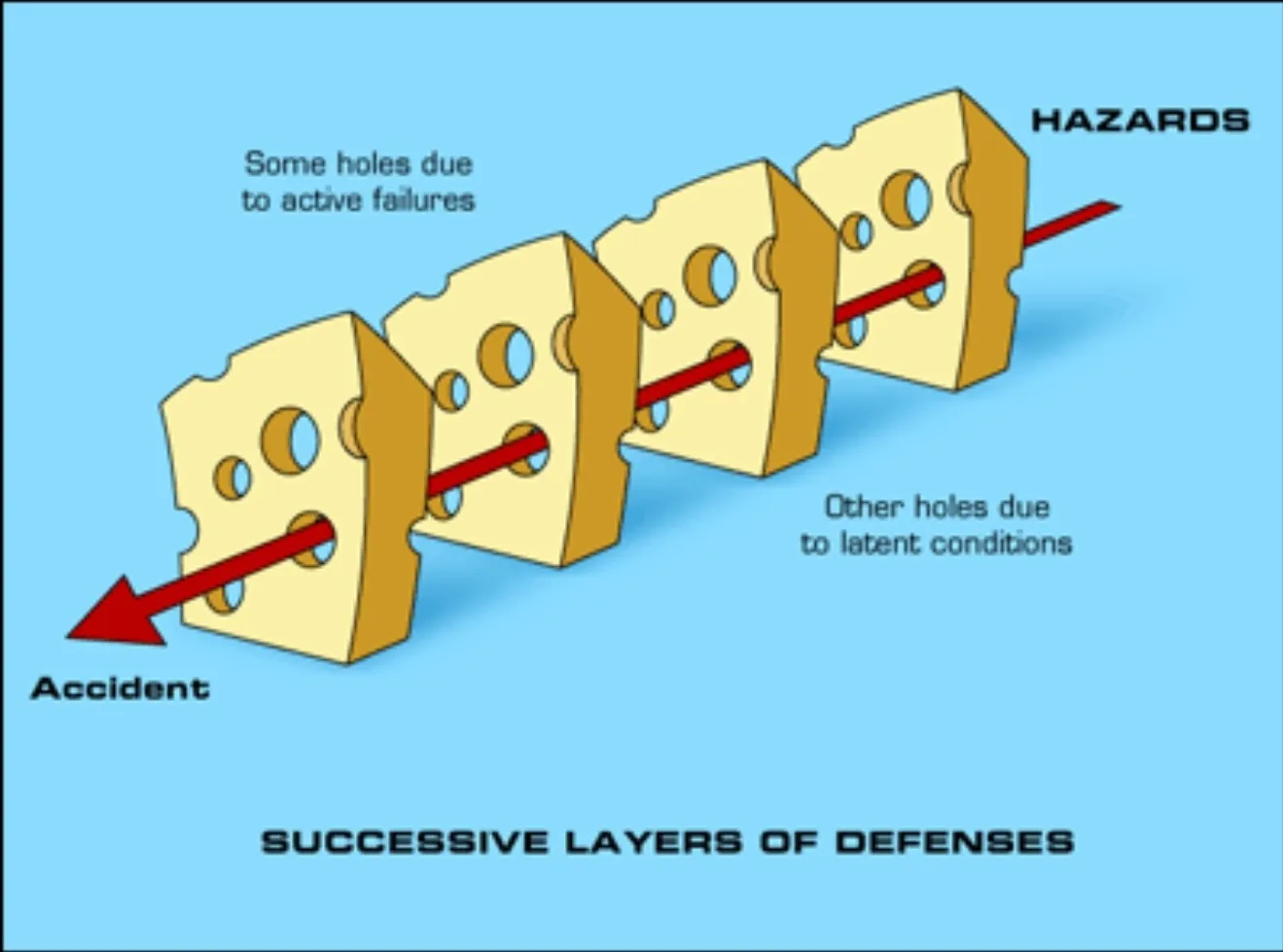

Successive Layers of Defenses for Pilots.
As a private pilot, mitigating risk is a critical aspect of ensuring safe flight operations. Here are some key strategies to mitigate risk:
- Pre-flight Planning: Thorough pre-flight planning is essential. This includes checking weather forecasts, reviewing NOTAMs (Notices to Airmen), and ensuring the aircraft is airworthy.
- Flight Training and Currency: Maintain proficiency through regular flight training and staying current with required certifications and ratings. Additionally, consider pursuing advanced training such as instrument flying or flight simulator sessions to enhance your skills.
- Aircraft Maintenance: Ensure the aircraft is well-maintained and undergoes regular inspections as per the manufacturer's recommendations and regulatory requirements.
- Weather Awareness: Always check weather conditions before a flight and be prepared to adjust plans or cancel the flight if weather conditions are unfavorable. Develop a thorough understanding of how weather phenomena can affect your flight.
- Risk Assessment: Continuously assess risks associated with each flight, including factors such as terrain, airspace complexity, and pilot fatigue. Use tools like the PAVE (Pilot, Aircraft, enVironment, External pressures) and IMSAFE (Illness, Medication, Stress, Alcohol, Fatigue, Emotion) checklists to evaluate potential risks.
- Flight Planning and Decision Making: Plan alternate routes and destinations, and be prepared to divert if necessary. Always prioritize safety over meeting schedule or destination goals.
- Use of Checklists: Utilize pre-flight, in-flight, and post-flight checklists to ensure that critical tasks are not overlooked.
- Communications: Maintain effective communication with air traffic control (ATC) and other pilots, especially in busy airspace or adverse weather conditions.
- Emergency Preparedness: Be familiar with emergency procedures and practice them regularly. This includes engine-out procedures, emergency landings, and other critical scenarios.
- Risk Management Mindset: Develop a proactive mindset towards risk management, including recognizing and addressing potential hazards before they escalate into emergencies.
- Continuous Learning: Stay informed about advancements in aviation safety, regulations, and best practices through participation in seminars, training courses, and reading relevant publications.
- Personal Minimums: Establish personal minimums for weather conditions, visibility, and aircraft performance, and adhere to them strictly.
- Situational Awareness: Maintain a high level of situational awareness at all times, keeping track of your position, altitude, speed, and surrounding traffic.
By consistently applying these strategies, private pilots can effectively mitigate risk and ensure safer flight operations. However, it's essential to remember that aviation inherently involves some level of risk, and being prepared to manage and mitigate those risks is key to safe flying.