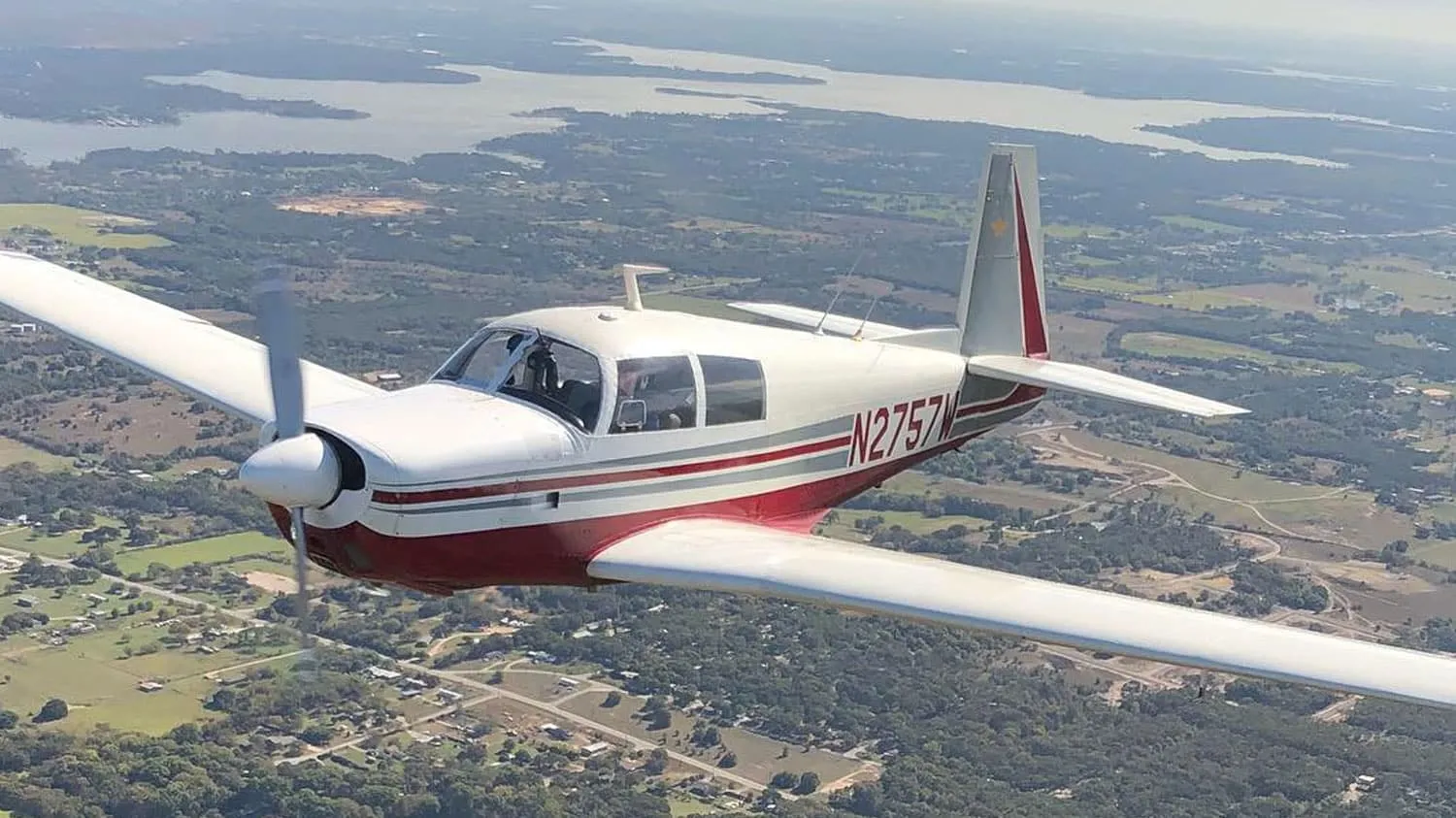
Instrument Time (IMC) Flying in Clouds
Understanding When Pilots Can Log Actual Instrument Time (IMC) Flying in Clouds
Flying an aircraft demands precision, skill, and adherence to safety protocols. For pilots, especially those training or pursuing advanced certifications, logging flight time accurately is crucial for progression and maintaining proficiency. Among the various types of flight time, "actual instrument time" holds a significant place, especially for pilots aspiring to become proficient in instrument flying. However, determining when a pilot can log actual instrument time can be nuanced and requires a clear understanding of aviation regulations and circumstances.
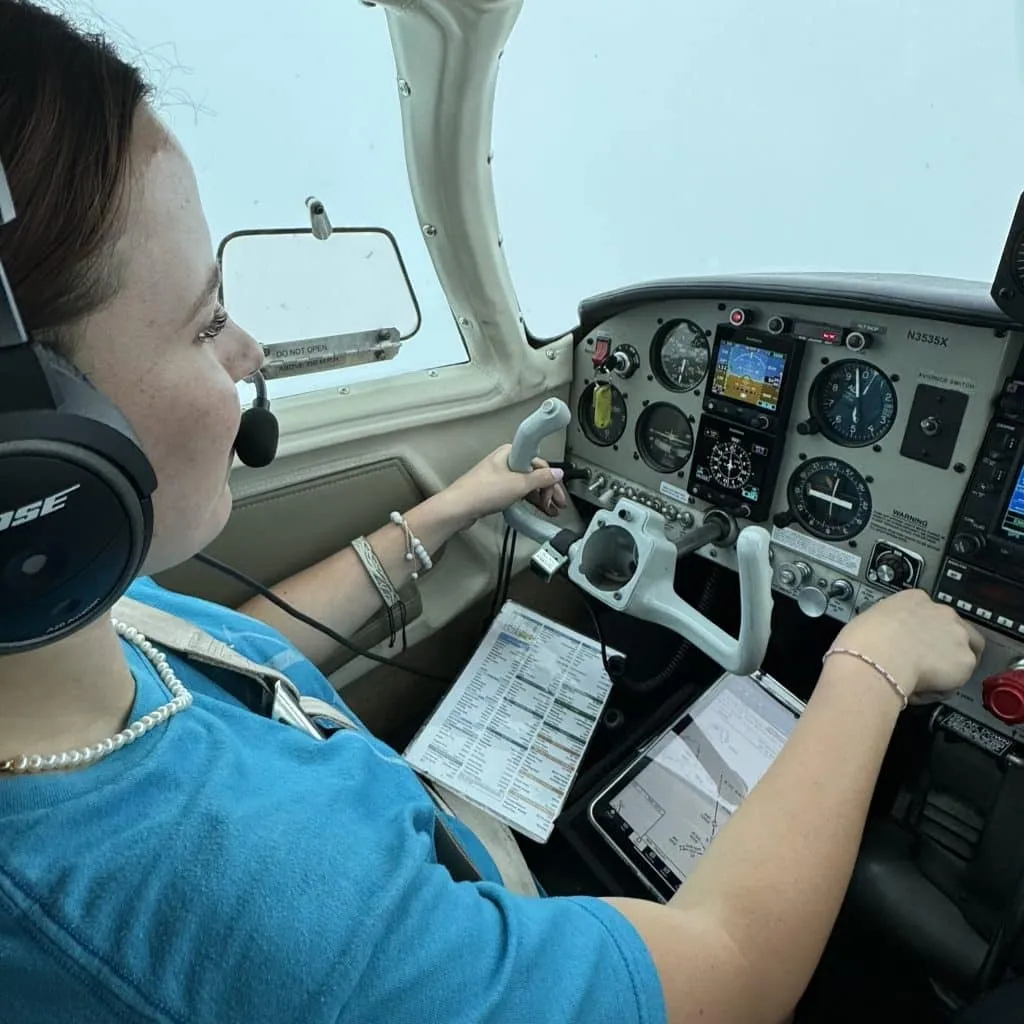
What is Actual Instrument Time?
Before delving into when pilots can log actual instrument time, it's essential to understand what it entails. Actual instrument time refers to the duration a pilot spends flying solely by reference to the aircraft's instruments. This type of flying occurs when visibility outside the aircraft is limited, typically due to adverse weather conditions such as clouds, fog, or darkness. Pilots rely on their instrument panel to maintain control and navigate the aircraft safely.
Actual instrument flight conditions, also known as Instrument Meteorological Conditions (IMC), refer to weather conditions that necessitate flying an aircraft solely by reference to its instruments due to limited visibility. In IMC, pilots are unable to rely on visual references to the ground or horizon, typically because of factors such as clouds, fog, haze, or darkness. In these conditions, pilots must use their aircraft's instruments to maintain control, navigate, and ensure safe flight.
Regulatory Guidelines
The specific regulation from the Federal Aviation Administration (FAA) regarding instrument logable time can be found in 14 CFR § 61.51(g), which states:
"A person may log instrument time only for that flight time when the person operates the aircraft solely by reference to instruments under actual or simulated instrument flight conditions."
The Federal Aviation Administration (FAA) provides guidelines regarding when pilots can log actual instrument time. According to FAA regulations, pilots can log actual instrument time when they are operating an aircraft solely by reference to instruments under conditions that require the use of instruments for control. These conditions include:
- Flight in IMC (Instrument Meteorological Conditions): IMC refers to weather conditions in which pilots cannot navigate by visual reference to the ground. This includes flying in clouds, fog, haze, or other conditions where visibility is significantly reduced.
- Under a Hood or Simulated IMC: Pilots undergoing instrument training often use a vision-restricting device called a "hood" to simulate IMC conditions. When flying with a hood or in a simulator under simulated IMC conditions, pilots can log actual instrument time as long as they are solely relying on instruments for control.
Logging Procedures
Pilots must accurately record their flight time, including actual instrument time, in their logbooks. Logging actual instrument time involves documenting the start and end times of the flight, as well as any additional details required by regulations or training programs.
For pilots undergoing instrument training, logging actual instrument time is essential for meeting the requirements for instrument rating certifications. However, it's crucial to ensure that the logged time meets the FAA's criteria for actual instrument conditions.
Practical Considerations
While the regulatory guidelines provide a framework for logging actual instrument time, pilots must also consider practical aspects when determining when to log this type of flight time. Safety should always be the top priority, and pilots must exercise sound judgment when deciding to fly in IMC conditions.
Additionally, pilots should be aware of the currency requirements for instrument flight. To maintain instrument currency, pilots must perform a certain number of instrument approaches and holds within a specified time frame. Logging actual instrument time during these currency flights is essential for meeting regulatory requirements and staying proficient in instrument flying.
Conclusion
Actual instrument time is a valuable component of a pilot's training and experience. Understanding when pilots can log actual instrument time is essential for complying with regulations, maintaining proficiency, and advancing in aviation careers. By adhering to regulatory guidelines, accurately logging flight time, and prioritizing safety, pilots can effectively leverage actual instrument time to enhance their skills and capabilities in instrument flying.