Flight simulators have revolutionized the way pilots train, offering an immersive experience that replicates real-life flying conditions without ever leaving the ground. While simulators are invaluable tools in the aviation industry, their effectiveness largely depends on how they are used during the training process.
The Benefits of Using Flight Simulators
Cost Efficiency
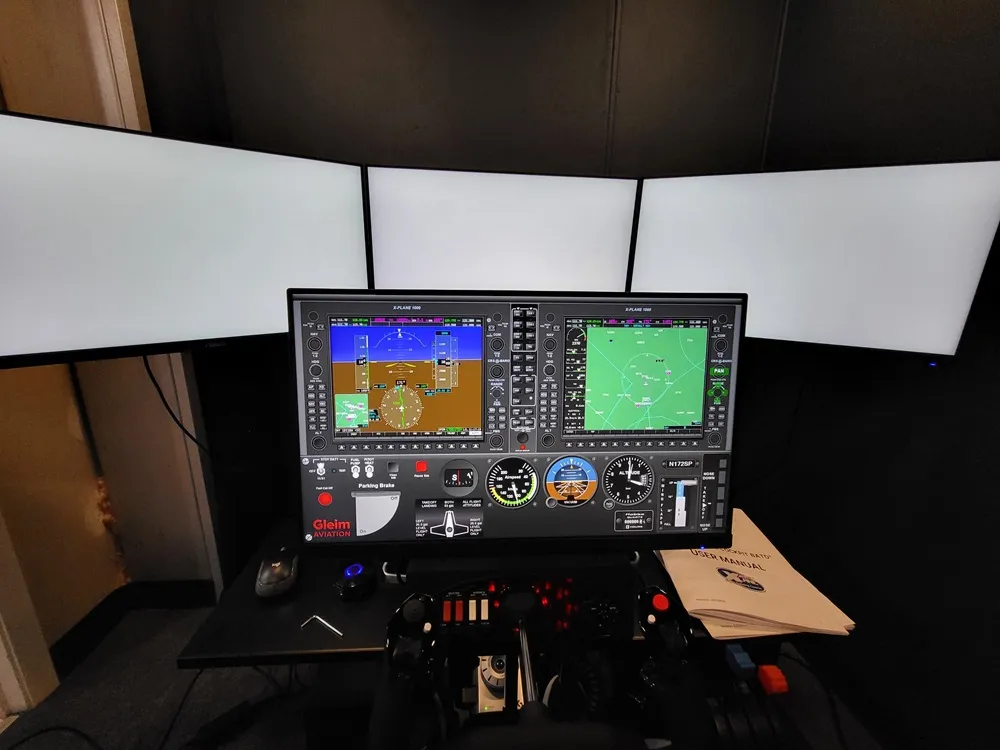
One of the most significant advantages of using flight simulators in pilot training is the potential for cost savings. Flight training is notoriously expensive, primarily due to the costs associated with renting aircraft and paying for fuel and maintenance. Simulators, particularly for instrument training, present a more affordable option. For instance, the Federal Aviation Administration (FAA) allows the use of Basic Aviation Training Devices (BATD) to log up to 10 hours of the required 40 hours of instrument time needed for a rating. Since renting a simulator is generally cheaper than flying an actual aircraft, this can lead to substantial cost reductions.
Safety and Accessibility
Simulators provide a safe environment for pilots to practice responses to various emergency scenarios that would be too dangerous to replicate in real air. Moreover, they are accessible regardless of weather conditions, allowing for consistent training that is not dependent on external factors.
Instrument Proficiency
Simulators are particularly beneficial for instrument training, where understanding and reacting to the aircraft’s instrument panel is crucial. They allow trainees to hone their skills in a controlled environment, practicing navigation and instrument interpretation without the pressures and variables of actual flight.
Potential Drawbacks and How to Mitigate Them
Risk of Reinforcing Bad Habits
While simulators are excellent tools, they can also pose risks if used improperly. One significant risk is the potential for students to practice incorrect techniques without real-time correction, leading to ingrained bad habits. These habits can be hard to unlearn and might require additional training time and expense to correct.
The Need for Professional Guidance
To mitigate the risks associated with solo simulator use, it is crucial that simulator training be conducted under the guidance of a qualified instructor. Professional oversight ensures that students are not only practicing regularly but are practicing correctly. An instructor can provide immediate feedback and correction, helping students to internalize the right procedures and techniques.
Best Practices for Integrating Simulators into Training
To maximize the benefits while minimizing the risks, flight schools and trainees should consider the following best practices:
- Instructor-Led Sessions: Ensure that most if not all simulator sessions are conducted with an instructor present. This approach guarantees that trainees receive continual guidance and feedback.
- Complementing Actual Flight Experience: Use simulators as a complement to actual flight training, not a replacement. While simulators are effective for practicing procedures and responses, they cannot fully replicate the nuances of real-world flying.
- Regular Reviews and Assessments: Regularly assess the trainee's progress and adapt the training program as needed. This flexibility allows trainees to address weaknesses and improve proficiency in specific areas.
Flight simulators represent a powerful tool within the aviation training arsenal, offering cost-effective, safe, and efficient ways to enhance pilot training. With the right approach and professional guidance, they can significantly improve the training experience, preparing pilots for the challenges of real-world aviation.