Introduction:
Crosswind conditions present a unique challenge to pilots during takeoff and landing, requiring skillful handling to ensure safe operations. Whether you're a seasoned aviator or a student pilot, mastering techniques for crosswind takeoffs and landings is essential for maintaining proficiency and confidence in adverse weather conditions. In this article, we'll explore the fundamentals of crosswind operations, safety tips, and considerations when dealing with airports featuring obstacles.
Understanding Crosswind Operations:
Crosswind takeoffs and landings occur when the wind direction is not aligned with the runway. In these situations, the wind exerts lateral force on the aircraft, potentially causing it to drift off course. Pilots must employ specific techniques to counteract these forces and maintain control throughout the critical phases of flight.
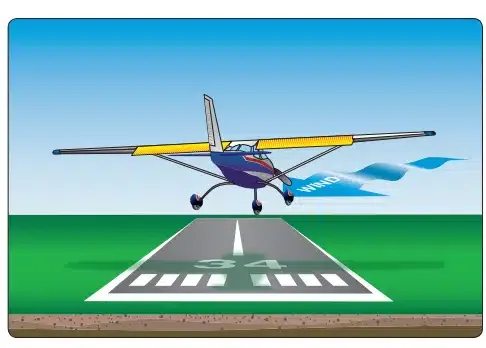
Key Techniques for Crosswind Takeoffs:
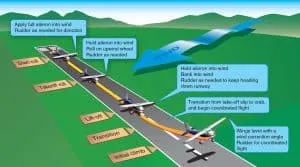
- Aircraft Alignment: Ensure the aircraft's nose is pointed into the wind during the takeoff roll, minimizing the crosswind effect.
- Rudder Control: Apply coordinated rudder inputs to keep the aircraft aligned with the runway centerline, counteracting the tendency to weathervane.
- Control Inputs: Use ailerons to keep the upwind wing from lifting prematurely, maintaining proper wing alignment.
- Smooth Acceleration: Gradually increase power to prevent the aircraft from being pushed off course by the crosswind.
Essential Practices for Crosswind Landings:
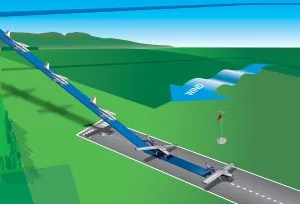
- Crabbing: Approach the runway with a crab angle to compensate for the crosswind, maintaining alignment with the centerline.
- Side Slip: Execute a controlled side slip just before touchdown to align the aircraft with the runway, minimizing drift.
- Touchdown Technique: Land with the upwind wheel first, allowing the aircraft to naturally straighten as weight is transferred to the downwind wheel.
- Maintain Control: Continue to apply rudder inputs to counteract crosswind forces during the rollout phase.
Safety Considerations and Obstacle-Rich Airports:
When operating in crosswind conditions, pilots must be especially vigilant, considering factors such as runway length, surface conditions, and surrounding obstacles. Airports with terrain features or nearby buildings can exacerbate the challenges of crosswind operations, requiring careful planning and execution.
Safe Operations at Airports with Obstacles:
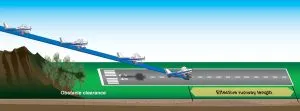
- Performance Calculations: Determine the aircraft's performance limitations, considering factors such as runway length, elevation, and temperature.
- Obstacle Clearance: Assess the proximity of obstacles to the runway and plan departure and arrival procedures accordingly.
- Wind Shear Awareness: Be mindful of wind shear effects near terrain features, which can impact aircraft performance and handling.
- Go-Around Decision: Maintain a proactive mindset and be prepared to execute a go-around if conditions deteriorate or obstacles pose a threat to safety.
Conclusion:
Mastering crosswind takeoffs and landings is a fundamental skill for every pilot, ensuring safe and proficient operations in varying weather conditions. By understanding the principles of crosswind flight and implementing proper techniques, pilots can navigate challenging conditions with confidence and precision. Remember, safety always comes first, especially when operating at airports with obstacles, requiring careful planning and execution to mitigate risks effectively.