Aviation Flashcards
Visual aviation flashcards with adaptive review and one-to-five self-ratings.
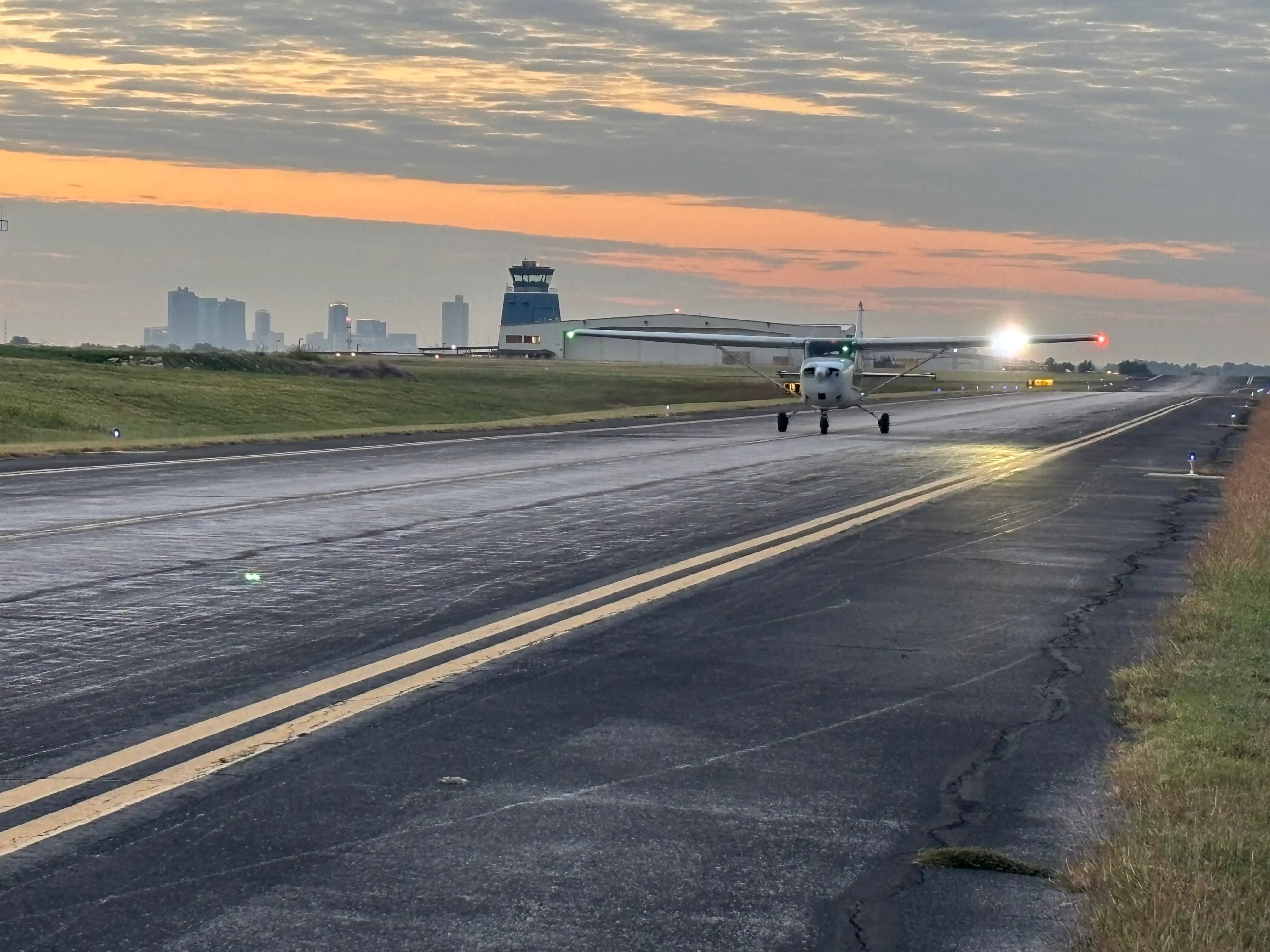
Interactive simulators, energy management and performance chart practice, and adaptive flashcards, created by Pilot Rise to make training click.
Free tools we build at Pilot Rise for independent practice and clearer lessons.
Visual aviation flashcards with adaptive review and one-to-five self-ratings.
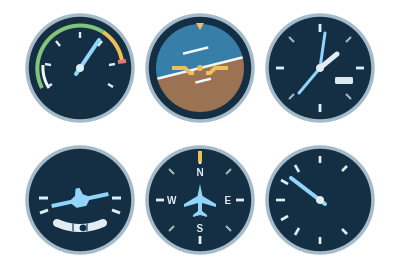
Read a six-pack or electronic panel in flight and click through diagrams to see what makes the instruments work.
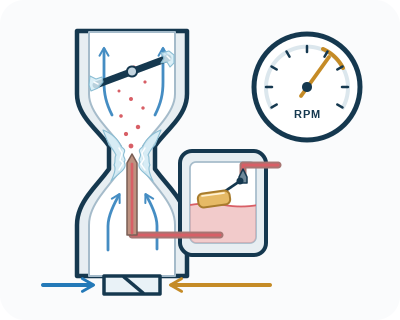
Explore carburetor icing, carb heat, throttle, and mixture with an interactive cutaway and weather controls.
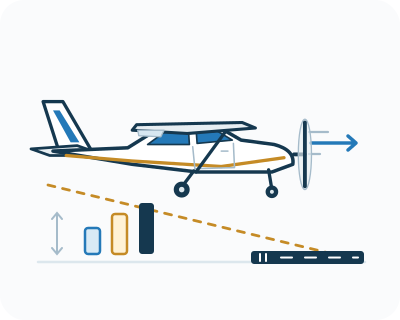
Change throttle, pitch targets, and flaps to explore airspeed, descent, aircraft energy, and drag curves.
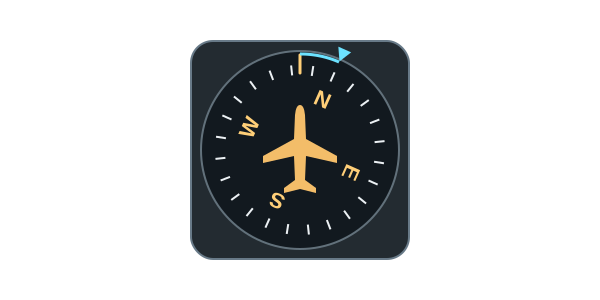
Watch the compass swing during speed changes and turns, and practice the ANDS and UNOS memory aids.
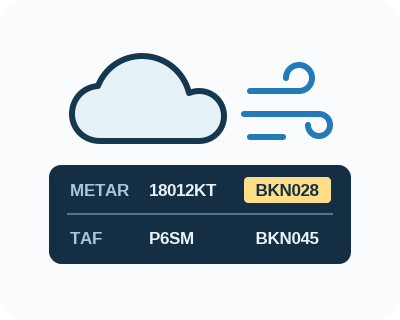
Decode METARs and TAFs one group at a time, with highlighted hints or independent testing.
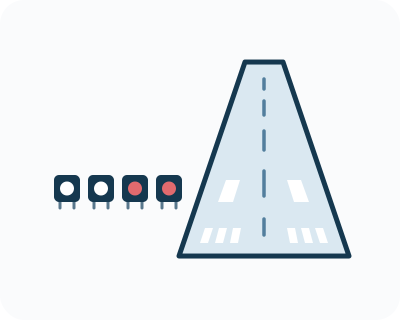
See how PAPI, VASI, and other approach indicators change in a 3D runway view as you move above or below the glide path.
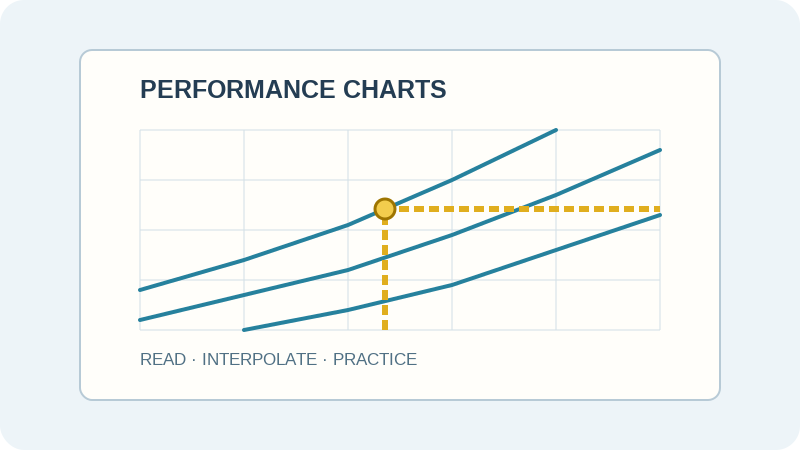
Practice performance tables and graphs with guided steps, testing mode, interpolation, and drawing tools.
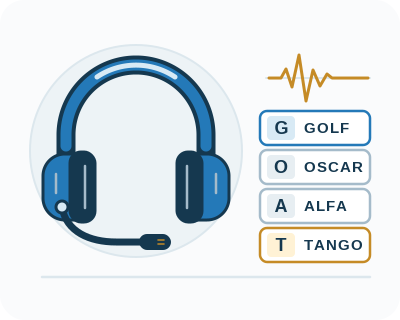
Match letters to aviation code words, type the letters and numbers you hear, and review pronunciation in the audio legend.
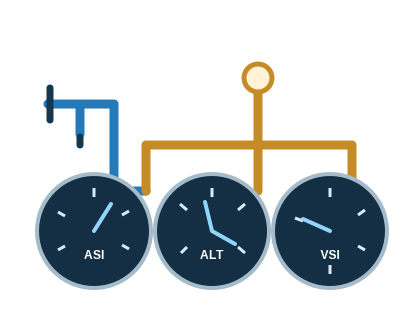
Explore pressure sources, instrument internals, and what changes when an opening is blocked.
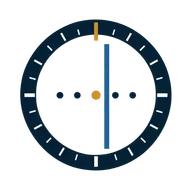
Practice VOR navigation, course interception, and ILS indications on an interactive map.
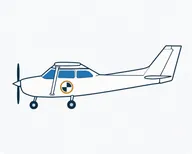
Change passengers, baggage, and fuel to explore weight, center of gravity, and loading limits.
Change a heading or a pressure source, then watch the indications respond. Our instructors use these same visual tools to connect the explanation to what you see.
Practice on your own between flights, then bring your questions back to the next lesson.
Answer from memory, reveal the card, and rate your recall. Adaptive review brings the material that needs attention back into focus.
Our recommendation: ten cards with each meal. Three short sessions make consistent practice easier to maintain.
Pilot Rise develops its own training tools around the concepts our students need to understand. We keep improving this collection and creating new ways to practice—with your instructor and on your own.
Yes. The public tools and flashcard demo in the catalog are free to use. Each listing links directly to the tool and to a guide explaining how to use it.
Start with what you’re learning now. Use the Basic Instruments Lab to read a panel, the Magnetic Compass Errors Lab for heading errors, or the METAR and TAF Trainer for aviation weather. The PAPI & VASI Visualizer covers approach lights, the Phonetic Alphabet Trainer covers radio code words, and the VOR simulator covers navigation. Try the pitot-static simulator for pressure instruments, the Carburetor Ice Lab for icing, the Weight and Balance Playground for loading, or the Energy Management Lab for airspeed and descent. Use the Performance Chart Trainer for chart reading or flashcards for review.
Yes. Pilot Rise built these tools for both instructor demonstrations and independent practice. An instructor can use the visual aids to explain a concept, then have the student change a setting and explain the result.